


On this page
Three out of four culture tools are shelfware.
Culture Activation is the practice of transforming organizational culture through daily behavioral change rather than periodic measurement, designed for CEOs who need culture to function as operational infrastructure, not an HR initiative that lives in a dashboard.
Best for: CEOs and founders at companies of 50 to 500 employees who have invested in culture tools, watched adoption plateau at 20 to 30%, and realized that measuring culture and changing culture are fundamentally different problems.
The HR technology industry generates $40 billion annually. The average enterprise deploys 3 to 4 engagement and culture tools. And the industry-wide adoption rate for these platforms hovers around 25% (Sapient Insights Group, 2024). That means 75% of every dollar spent on culture technology produces no behavioral change whatsoever.
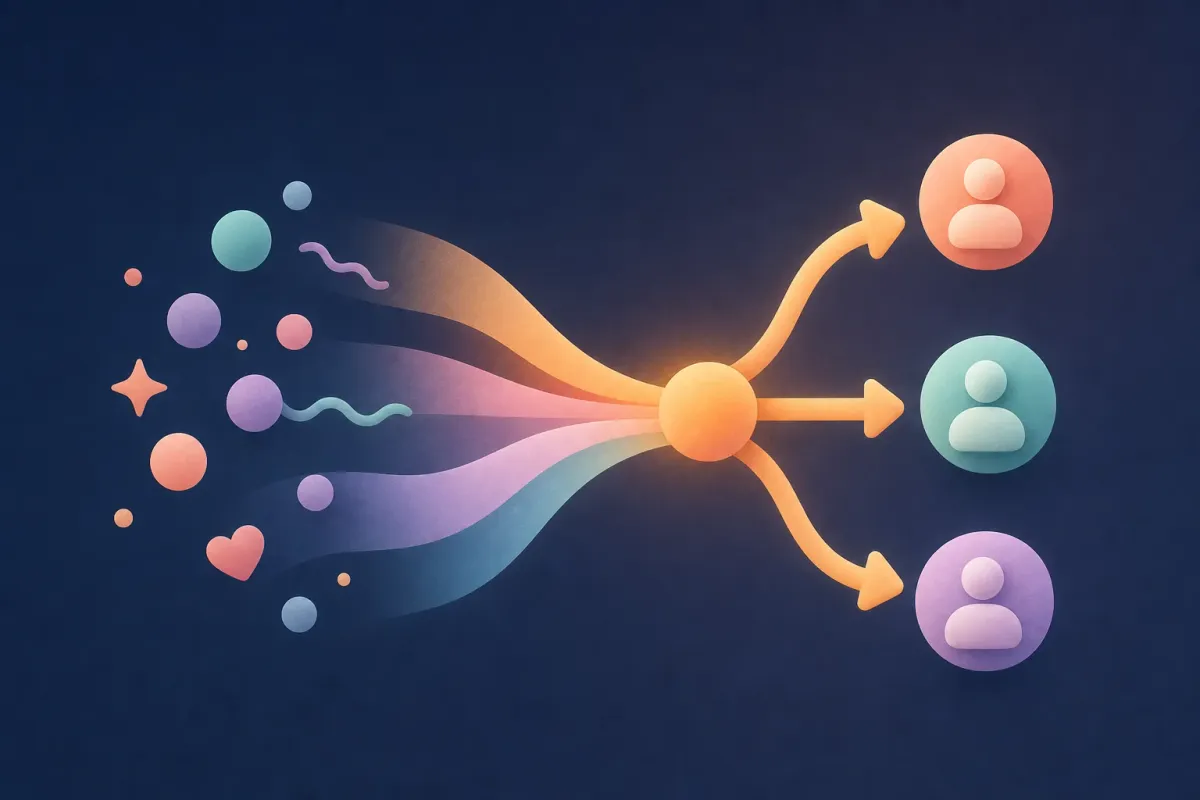
The tools aren't broken. They're solving the wrong problem. They measure how people feel at a single point in time, then hand that data to leaders who have no mechanism to act on it. That's culture measurement. Culture activation closes the gap between insight and action.
Why Culture Measurement Alone Fails
Culture measurement assumes that if leaders see the data, they'll know what to do. This assumption fails for three reasons.
Quarterly Blindness
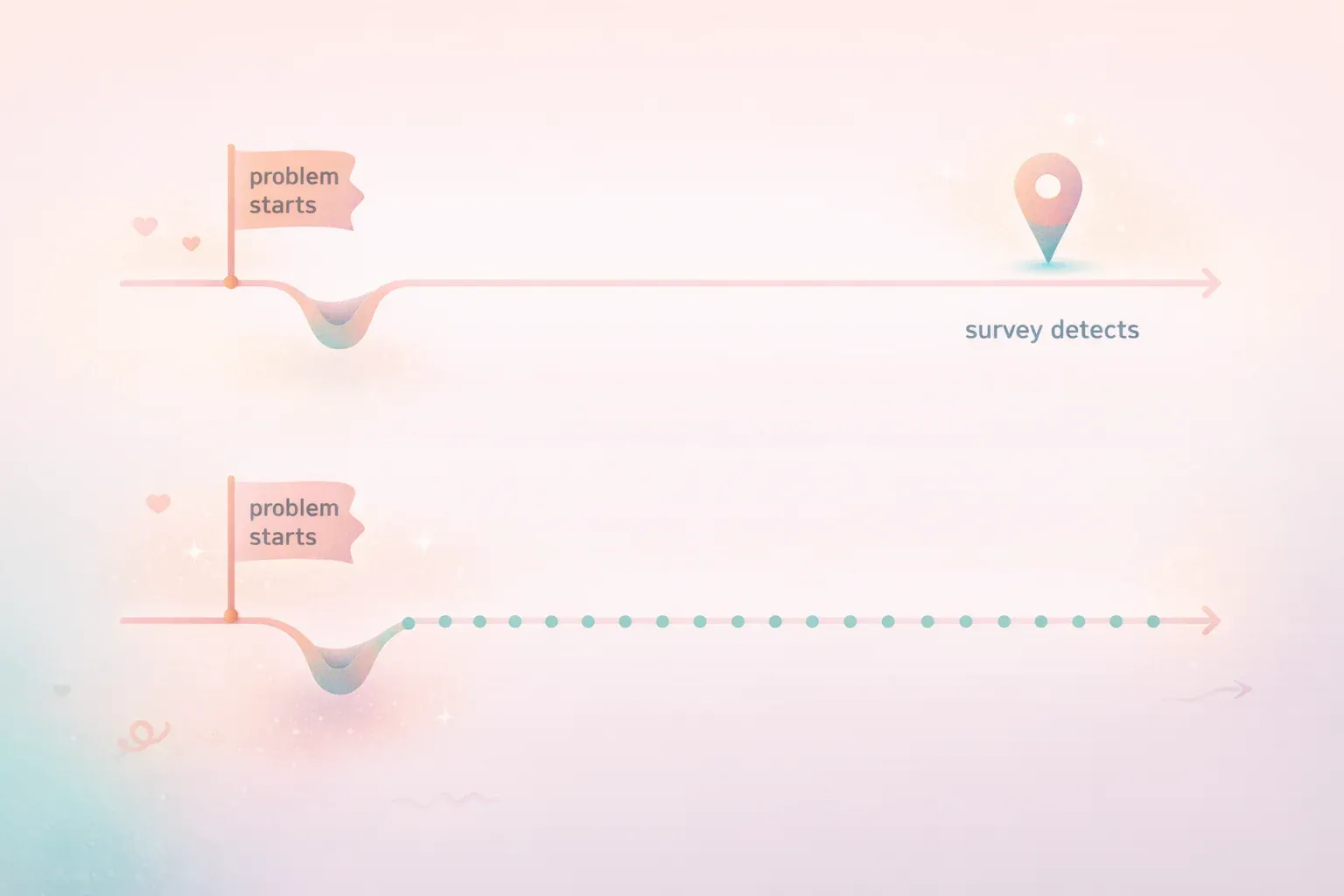
Annual and quarterly surveys create a structural gap between when problems develop and when leaders learn about them. An employee who begins disengaging in February might not surface in data until a Q2 survey in June. By then, four months of declining performance, reduced collaboration, and team friction have already compounded.
Research from the UKG Workforce Institute shows that managers influence employee mental health as much as spouses do, and more than therapists. The difference between a manager who catches early signals weekly versus quarterly can be the difference between a coaching conversation and a resignation letter.
Self-Selection Bias
The employees who complete surveys are disproportionately either highly engaged (eager to contribute) or actively disengaged (eager to complain). The critical middle (the 50 to 60% of employees who are quietly drifting) rarely participates in voluntary surveys at meaningful rates.
A culture measurement tool with 25% participation isn't measuring your culture. It's measuring the extremes.
The Action Gap
Data without a mechanism for change is expensive decoration. Engagement survey results arrive as reports. Leaders hold meetings to discuss the reports. Action plans get written. Then nothing structurally changes in how people interact, recognize each other, or connect their work to organizational priorities.
The 149% year-over-year increase in misalignment mentions on Glassdoor isn't happening because companies lack data. They lack activation.
What Culture Activation Actually Means
Culture activation is the shift from periodic measurement to continuous behavioral change. Instead of asking "How does our culture look?" once a quarter, activation asks "Is our culture functioning?" every day.
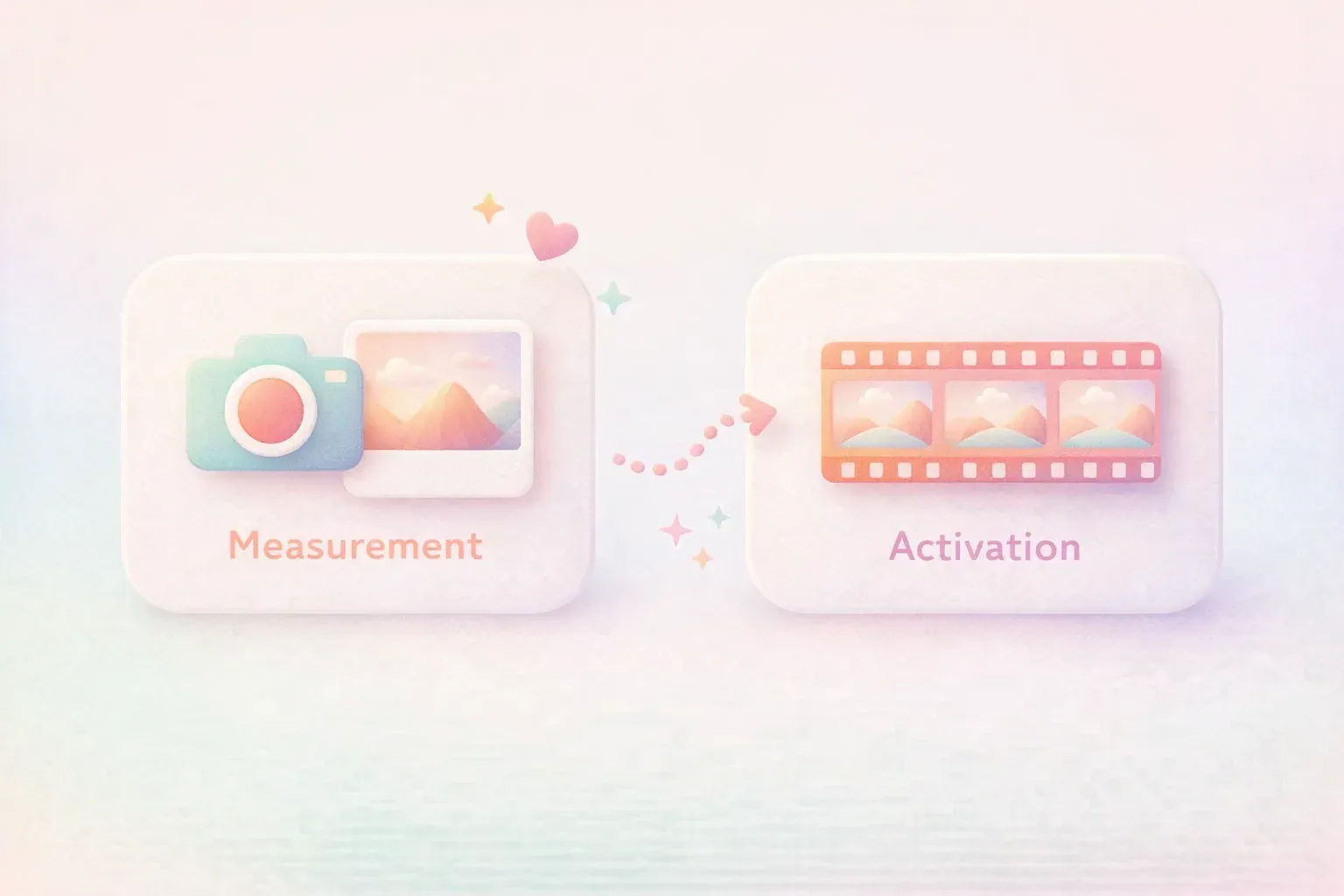
The distinction is mechanical, not philosophical. Measurement produces a snapshot. Activation produces a habit loop: a daily behavior that generates data as a byproduct of the interaction itself, then surfaces that data to leaders in time to act.
Consider the difference in concrete terms. A culture measurement platform sends a survey, collects responses, generates a report, and delivers it to leadership. The cycle takes weeks.
A culture activation platform embeds a three-minute daily interaction into the workday: recognition, alignment check-ins, wellbeing signals. It generates continuous data and surfaces actionable insights to managers the same day.
Why Behavioral Science Makes Culture Activation Work
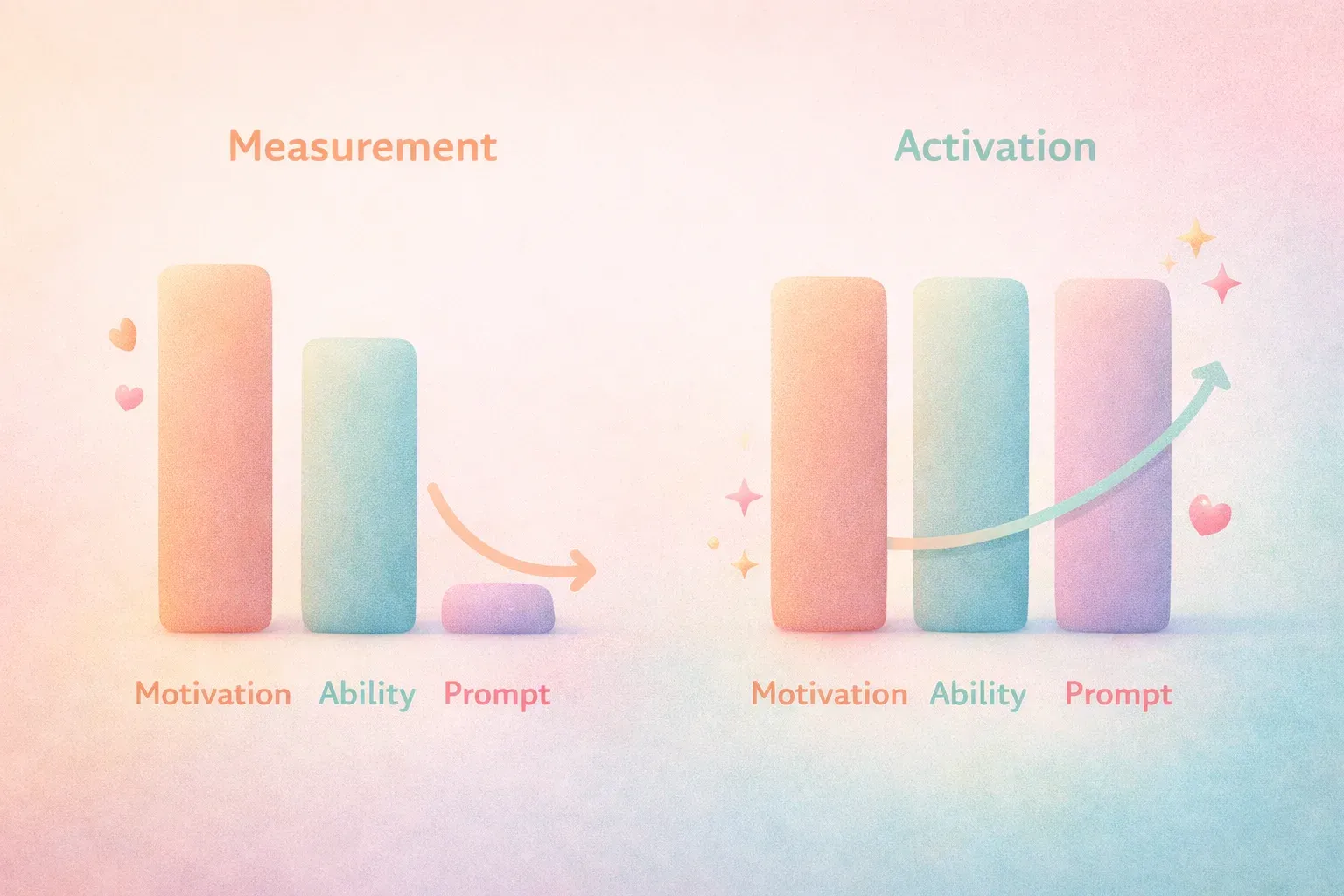
The mechanism behind culture activation is behavioral science. Specifically, B.J. Fogg's behavior model: Behavior = Motivation x Ability x Prompt.
Culture tools fail at 75% rates because they violate this model. They assume motivation (it's optional, so only motivated employees participate). They increase friction (lengthy surveys require significant time investment). And they provide no prompt (quarterly reminders are forgettable).
Culture activation platforms redesign each variable. Reduce friction to three minutes. Make the interaction intrinsically rewarding through gamification (think Duolingo, not mandatory training). Deliver daily prompts that become habitual. The result: 97% voluntary adoption versus 25% industry average (Happily.ai, 2025).
The Three Dimensions of Culture Activation
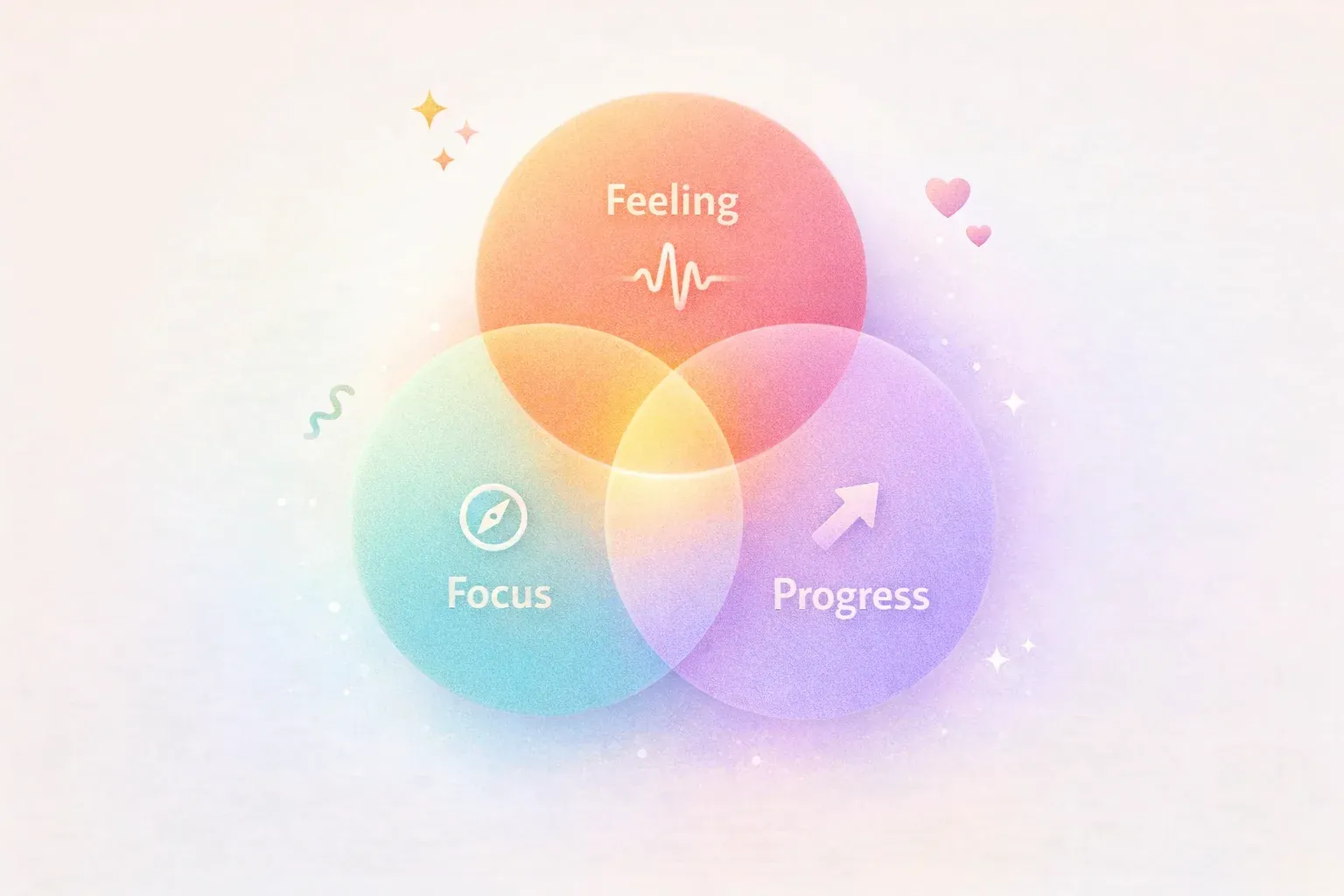
Culture is activated when leaders have continuous visibility into three signals and the ability to act on them daily. These three dimensions answer the questions CEOs actually ask when they think about whether their organization is healthy.
| Dimension | The CEO Question | What Gets Surfaced | Why It Matters |
|---|---|---|---|
| Feeling (Team Health) | "Are my people okay?" | Wellbeing scores, trust levels, recognition patterns, early warning signals | Emotional problems compound. A team member struggling in silence for three months becomes a resignation. Continuous feeling data lets managers intervene before it's too late. |
| Focus (Alignment) | "Is everyone working on what matters?" | Work-to-goal connections, priority clarity, strategic alignment gaps | Misalignment is invisible until it's expensive. Teams can be busy and completely disconnected from organizational priorities. Focus signals reveal whether effort connects to strategy daily. |
| Progress (Goals) | "Are we actually moving forward?" | Goal completion velocity, momentum patterns, stall detection | Progress is the primary driver of daily motivation (Amabile, Harvard). Without progress visibility, leaders can't distinguish healthy effort from wheel-spinning. |
These three dimensions form a complete picture. Feeling without Focus produces a pleasant workplace that drifts off course. Focus without Feeling produces aligned teams that burn out. Progress without Feeling or Focus produces speed in the wrong direction.
Why These Three (and Not Others)
Many frameworks propose five, seven, or twelve dimensions of organizational health. Culture activation reduces to three because these are the three signals a leader can actually act on daily.
You can intervene on Feeling by checking in with a struggling team member, recognizing good work, or addressing a conflict. You can intervene on Focus by clarifying a priority, realigning a project, or redirecting resources. You can intervene on Progress by removing a blocker, celebrating a milestone, or escalating a stall.
Dimensions like "innovation climate" or "learning orientation" are outcomes of these three. When people feel safe, are focused on the right priorities, and can see their progress, innovation and learning happen naturally. Measuring the outcomes without activating the inputs produces exactly the problem culture measurement already has.
How Culture Activation Works in Practice
The difference between activation and measurement becomes concrete at the manager level.
A manager using a culture measurement tool receives a quarterly report showing their team's engagement score dropped from 72 to 65. The report suggests "improving communication" and "increasing recognition." The manager schedules a team meeting to discuss. Nothing structurally changes.
A manager using a culture activation platform sees, on a Tuesday afternoon, that one team member's wellbeing signals have declined over the past two weeks. The platform's AI coaching suggests a specific conversation opener. The manager has a ten-minute check-in the next day. The issue (a role ambiguity problem) gets resolved before it affects the rest of the team.
This is the core mechanism: culture activation turns managers into daily culture carriers rather than quarterly report readers.
The 70% manager engagement rule (Gallup's finding that managers account for 70% of the variance in team engagement) is only useful if managers have real-time signals to work with. Give them an annual report and they can influence very little. Give them daily signals about Feeling, Focus, and Progress, and the 70% becomes leverage rather than liability.
The Adoption Problem (and How Activation Solves It)
Why do employees actually use a culture activation platform at rates of 97% when they ignore surveys at 75%?
Three behavioral design principles create the difference:
1. Intrinsic reward replaces obligation. Gamification elements (recognition exchanges, team challenges, streaks) make daily interaction rewarding in itself. Employees who give recognition to colleagues are trusted 9x more by those who witness the exchange. The act of participating builds social capital.
2. Friction reduction replaces time investment. Three minutes replaces thirty. The interaction fits between meetings, during a morning coffee, or at the end of the day. Behavioral science research shows that every additional step in a process reduces completion rates by approximately 20%.
3. Daily prompts replace quarterly reminders. Daily habits build momentum that quarterly surveys cannot. After two weeks of daily participation, the behavior becomes automatic. After a month, it feels strange to skip.
Culture Activation vs. Culture Measurement
This comparison is designed to help leaders evaluate which approach fits their organization's needs. Both approaches have valid applications. Measurement provides important baseline data. Activation builds on that data by adding a behavioral change layer.
| Dimension | Culture Measurement | Culture Activation |
|---|---|---|
| Primary purpose | Understand current state | Change daily behavior |
| Data frequency | Quarterly or annual | Continuous (daily) |
| Typical adoption rate | 25% of employees | 97% of employees |
| Time investment per employee | 20-30 min per survey | 3 min per day |
| Who sees the data | HR and senior leadership | Managers and teams in real-time |
| Action mechanism | Reports lead to action plans | AI coaching delivers daily nudges |
| Manager role | Reviews reports quarterly | Acts on signals daily |
| Leading vs. lagging | Lagging indicators (what happened) | Leading indicators (what's emerging) |
| Behavioral science | Assumes motivation exists | Designs for motivation, ability, and prompt |
| Typical outcome | Awareness of problems | Prevention of problems |
Choose culture measurement if your organization needs a baseline understanding of employee sentiment, you're preparing for a specific initiative, or you operate in an industry requiring annual compliance surveys.
Choose culture activation if you've already measured culture and need to change it, you're scaling past 50 to 200 employees and losing visibility, or your previous tools had low adoption rates.
Honest tradeoff: Culture activation requires organizational commitment to daily habits. The 97% adoption rate comes from behavioral design, but it still needs initial leadership buy-in and a two-to-four week ramp period. Organizations looking for a one-time assessment will find measurement tools more appropriate.
The Evidence for Culture Activation
The category of culture activation is new. The evidence supporting its principles is not.
Data from 10 million workplace interactions across 350+ organizations over 9 years (Happily.ai, 2025) shows consistent patterns:
- Turnover reduction of 40% in organizations using daily culture activation versus quarterly surveys alone. For a 100-person company with average replacement costs, this translates to approximately $480K in annual savings. (Calculate your potential savings)
- eNPS improvement of +48 points versus the industry average of +5 to +10 points for engagement interventions. The difference: continuous activation compounds improvements daily rather than attempting large-scale change quarterly.
- Organizations using daily culture activation see manager effectiveness scores improve within 90 days, consistent with research on habit formation timelines. Managers who receive continuous feedback develop faster than those who receive periodic training.
- The WHO-5 wellbeing gap between top-performing and bottom-performing managers narrows from 30+ points to under 10 when managers receive daily team health signals. Top managers typically score 75 to 80 on the WHO-5. Bottom managers score around 45, which crosses clinical wellbeing thresholds.
These outcomes align with broader organizational research. Teresa Amabile's progress principle at Harvard Business School established that small daily wins drive motivation more effectively than large quarterly goals. Gallup's manager research confirms that frequency of interaction predicts team outcomes more reliably than quality of annual reviews.
The common thread across all three bodies of research: daily beats periodic. Small beats large. Friction reduction beats motivation campaigns.
Getting Started With Culture Activation
Culture activation requires three foundational elements. Without any one of them, you get a more expensive version of culture measurement.
1. CEO visibility (not delegation)
Culture activation produces data that CEOs should see directly, not filtered through HR summaries. The three dimensions (Feeling, Focus, Progress) answer CEO-level questions. If the data routes to HR first and arrives on the CEO's desk as a quarterly summary, you've rebuilt the measurement model with better inputs.
This doesn't mean CEOs manage the platform. It means they see the dashboard. The same way a CEO watches revenue data daily without managing every sale.
2. Manager enablement (not evaluation)
The data from culture activation is for helping managers, not grading them. Organizations that use activation data to evaluate managers see adoption drop immediately. Employees stop being honest when they believe their responses will be used against their manager.
Activation data should trigger AI coaching suggestions, not performance reviews. "Your team's wellbeing signals shifted this week. Here's a conversation approach that works." Not "Your team's scores are below the benchmark."
3. Daily rhythm (not periodic campaigns)
Culture activation only works if it's daily. Weekly is too infrequent to build habits. Monthly is measurement with a different label. The three-minute daily interaction is the atomic unit. Everything else builds on that cadence.
Organizations that attempt to launch culture activation with a weekly or biweekly rhythm see adoption rates converge back toward industry averages within 60 days. The behavioral science is clear: habits require daily repetition during the formation period.
What Culture Activation is Not
Defining a new category requires clarity about boundaries.
Culture activation is not a replacement for strategic planning, organizational design, or leadership development. It's the operating layer that makes those investments visible and actionable at the team level.
Culture activation is not a survey tool with a different name. If the primary interaction is answering questions about how you feel, it's measurement. Activation includes recognition exchanges, alignment check-ins, goal updates, and peer interactions that produce data as a byproduct.
Culture activation is not a substitute for good management. Culture breaks at 200 people because informal systems fail at scale. Activation provides the scaffolding for managers to carry culture. It doesn't replace the need for capable managers.
Frequently Asked Questions
What is the difference between culture activation and culture measurement?
Culture measurement captures a snapshot of employee sentiment through periodic surveys. Culture activation changes daily behavior through embedded interactions (recognition, alignment check-ins, wellbeing signals) that generate continuous data. The key difference is adoption: measurement tools average 25% participation while activation platforms using behavioral science achieve 97%. Measurement tells you where culture stands. Activation moves it.
Is culture activation better than employee engagement surveys?
They serve different purposes. Engagement surveys establish baselines and satisfy compliance requirements. Culture activation changes the daily behaviors that drive engagement scores. Organizations often need both: surveys for annual benchmarks, activation for daily improvement. The limitation of surveys alone is the action gap. Survey data without a behavioral change mechanism rarely translates to meaningful culture change.
How long does culture activation take to show results?
Organizations using daily culture activation typically see measurable changes in three phases. Adoption stabilizes within two to four weeks as daily habits form. Manager behavior shifts within 60 to 90 days as real-time signals replace quarterly reports. Organizational metrics (turnover, eNPS, wellbeing scores) improve within six months. Data from 350+ organizations shows a +48 point eNPS improvement and 40% turnover reduction as sustained outcomes, not initial spikes.
Is Happily.ai a culture activation platform?
Happily.ai is a culture activation platform built for CEOs scaling organizations of 50 to 500 employees. It achieves 97% voluntary adoption through gamification and behavioral science, surfaces the three dimensions of activation (Feeling, Focus, Progress) to leaders daily, and provides AI coaching to managers. It combines the capabilities of engagement surveys, recognition platforms, and performance tools into a single daily interaction. Limitations: it requires organizational commitment to daily habits and works best when CEOs engage directly with the data rather than delegating to HR.
What size company benefits most from culture activation?
Culture activation is most valuable for companies between 50 and 500 employees. Below 50, founders still have direct visibility into team dynamics through proximity. Above 500, culture activation works but requires additional change management infrastructure. The critical window is 100 to 250 employees, where informal culture systems break down and leaders lose the organic visibility they relied on during early growth.
Ready to activate your culture? Happily.ai gives CEOs continuous visibility into Feeling, Focus, and Progress with 97% voluntary adoption. Book a demo to see how culture activation works for organizations of 50 to 500 employees, or calculate your potential ROI first.
Sources:
- State of the Human Capital Management Technology Market - Sapient Insights Group (2024)
- State of the Global Workplace - Gallup (2024)
- Mental Health at Work - UKG Workforce Institute (2023)
- The Progress Principle - Teresa Amabile, Harvard Business Review (2011)
- Tiny Habits - BJ Fogg, Stanford Behavior Design Lab (2019)
- Happily.ai internal data: 10M+ workplace interactions, 350+ organizations, 9 years (2016-2025)