

Remote workers who feel strongly connected to their organization's mission are 3.5x more likely to be engaged than those who don't, according to Gallup. That finding carries a sharp implication for retention: engagement is one of the strongest predictors of whether someone stays or leaves. And remote team alignment is the mechanism that either builds or erodes that connection.
The problem is that alignment loss in distributed teams is almost invisible. There's no hallway conversation where you overhear a frustrated team member. No body language to read in a meeting room. By the time the resignation lands, the drift happened months ago.
Data from the Happily.ai platform shows mentions of misalignment in employee feedback increased 149% year-over-year. Distributed teams drove the largest share of that increase. The pattern is consistent: remote and hybrid teams lose alignment quietly, and the retention cost compounds before anyone notices.
Why Remote Team Alignment Erodes Silently
In co-located teams, alignment gets corrected by accident. A product manager overhears an engineer mention a customer complaint. A sales lead catches a strategy update while grabbing coffee. These informal micro-corrections keep teams roughly calibrated without anyone planning for it.
Remote teams lose this ambient awareness entirely. Research from Buffer's State of Remote Work report consistently identifies communication and collaboration as top challenges for distributed workers. The specific failure is not that people communicate less. They communicate differently: through scheduled meetings and written updates that filter out the peripheral context co-located teams absorb passively.
This creates what organizational researchers call "information asymmetry at scale." Each team member operates with a slightly different understanding of priorities, context, and direction. Individually, these gaps are small. Collectively, they compound.
The result is that misalignment costs organizations through rework, decision fatigue, and talent loss long before it surfaces in any dashboard.
The Retention Data: What Alignment Drift Actually Costs
Three findings clarify the link between distributed team alignment and retention.
Finding 1: Misaligned employees leave faster, but not louder. Gallup's research on remote engagement shows that disengaged remote workers are significantly less likely to voice concerns before leaving compared to their in-office peers. In a physical office, frustration leaks through tone, body language, and sidebar conversations. Managers pick up signals. In a remote setting, the same employee goes quiet on Slack, dials into meetings with their camera off, and submits their notice without warning.
Finding 2: Manager visibility is the critical variable. Gallup data shows managers account for 70% of the variance in team engagement. For remote teams, that influence travels almost entirely through structured touchpoints like one-on-ones and team standups. When those touchpoints lack depth, managers lose the alignment signal. Organizations using the Happily.ai platform have achieved a 40% reduction in turnover by giving managers continuous visibility into team alignment and wellbeing, rather than relying on quarterly check-ins.
Finding 3: The cost multiplies with team distribution. When one in-office team member drifts, the surrounding team pulls them back through daily interaction. When one remote team member drifts, they can stay drifted for weeks. Multiply this across a distributed organization, and you get the structural fragmentation that appears when companies scale past 200 people, but arriving earlier and without the usual growth-related warning signs.
Three Mechanisms That Drive the Alignment-Retention Link
Understanding why alignment affects retention (not just that it does) helps leaders design better systems.
Mechanism 1: Purpose erosion. Alignment keeps daily work connected to organizational purpose. When that connection fades, work starts feeling transactional. Researchers at McKinsey found that employees who feel their work has purpose are 4x more likely to report higher engagement. For remote workers who already lack the social reinforcement of an office, purpose is often the primary reason they stay. Remove it, and the exit becomes rational.
Mechanism 2: Recognition becomes invisible. In a co-located setting, good work gets noticed organically. A colleague sees a presentation come together. A manager watches someone handle a difficult call. Remote work strips away this passive visibility. Unless alignment systems deliberately surface contributions, recognition gaps widen and trust deteriorates. The employee who consistently delivers excellent work but never gets acknowledged starts questioning whether anyone notices.
Mechanism 3: Small misunderstandings become permanent assumptions. In person, a confusing directive gets clarified over lunch. Remotely, the same confusing directive gets interpreted individually, acted on quietly, and never corrected. Over time, the employee builds a mental model of organizational priorities that may be completely wrong. When that model conflicts with reality (a negative review, a passed-over promotion, a project killed), the result feels arbitrary rather than logical. Perceived arbitrariness is one of the strongest predictors of voluntary turnover.
How to Fix Remote Team Alignment This Week
Remote team alignment is a solvable problem, but only with systems designed for it. Informal check-ins and quarterly surveys are not enough. Here are three specific actions.
1. Audit your alignment signal chain. Map exactly how strategic priorities travel from the leadership team to each remote team member. Count the number of translation layers. Each layer degrades signal quality. If a priority passes through four people before reaching the person doing the work, assume significant drift. Use an alignment audit framework to identify where the chain breaks.
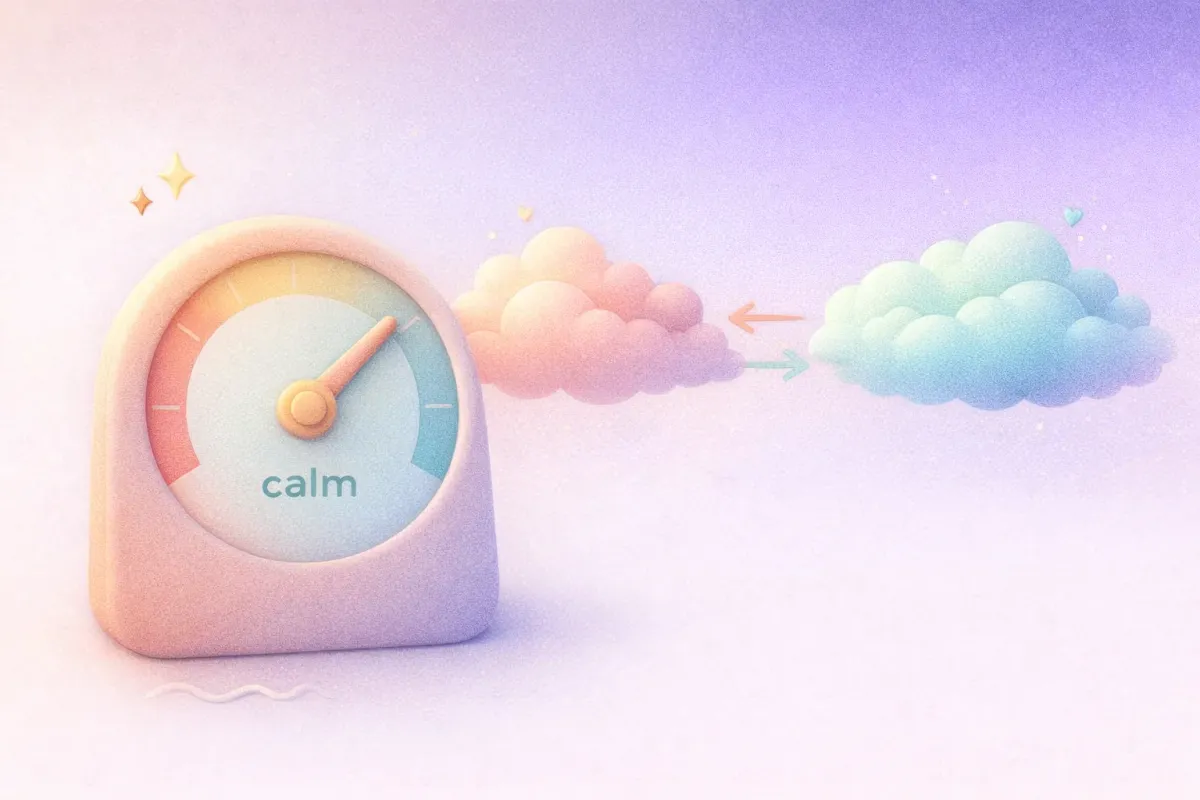
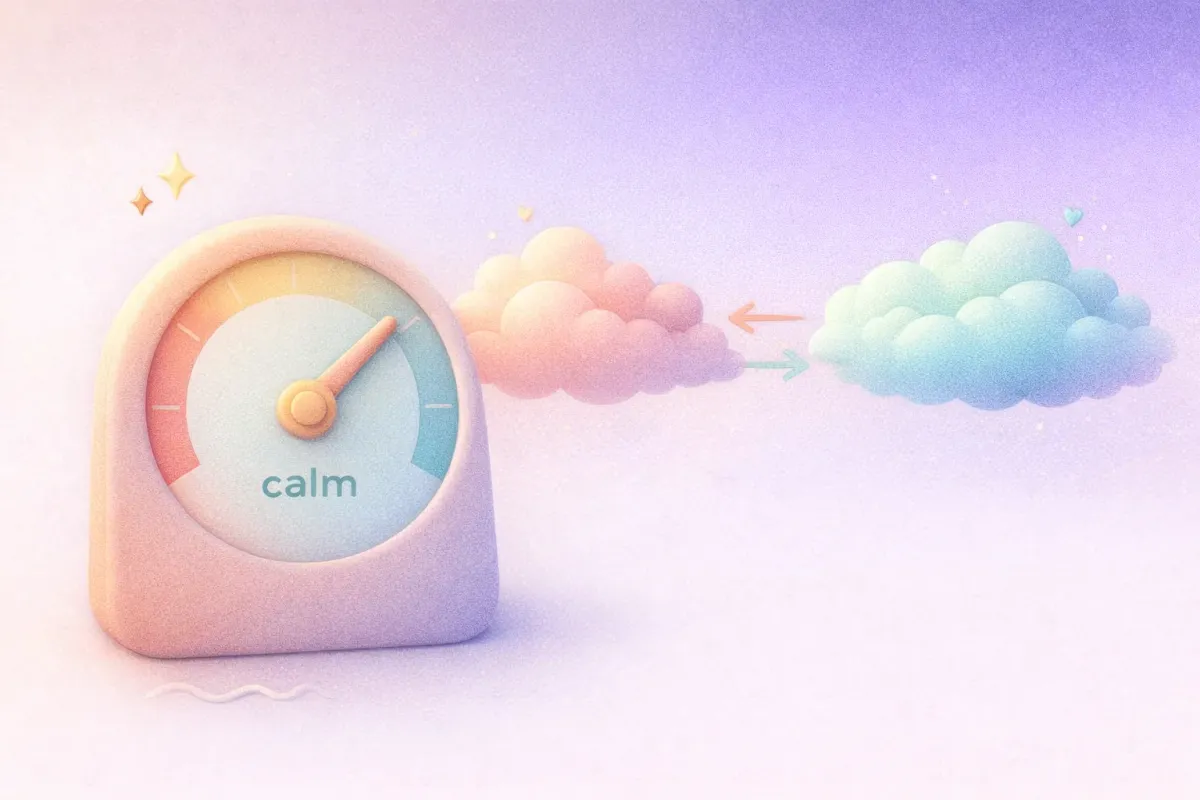
2. Give managers daily alignment data. Managers cannot correct what they cannot see. Move from periodic engagement surveys to continuous signals that show whether daily work connects to strategic goals. The difference between a quarterly survey and a daily pulse is the difference between a weather forecast and a barometer on your desk. One tells you what happened. The other tells you what's happening now. Organizations that treat alignment as a measurable, ongoing signal catch drift early enough to fix it.
3. Build recognition into the operating rhythm. Don't wait for recognition to happen organically in a remote setting. It won't. Structure it. Start each team meeting with two minutes of peer recognition. Make it a standing agenda item, not an afterthought. Teams that recognize contributions at least twice per week show 40% higher engagement scores (Happily.ai data), and that engagement directly translates to retention.
The Bottom Line
Remote work did not create alignment problems. It removed the informal systems that masked them. The organizations losing talent to silent misalignment are not doing remote work wrong. They are relying on alignment mechanisms built for physical offices.
The fix is measurement, not mandates. Continuous visibility into whether distributed teams are actually aligned, followed by manager action when they are not.
The data is clear: remote team alignment is the variable between distributed teams that retain talent and distributed teams that keep wondering why good people leave without warning.