


Gamification for employee feedback is the application of behavioral science principles and game mechanics to transform periodic workplace surveys into daily habits that sustain without external enforcement. It is the core design strategy behind platforms that achieve voluntary adoption rates four times the industry average.
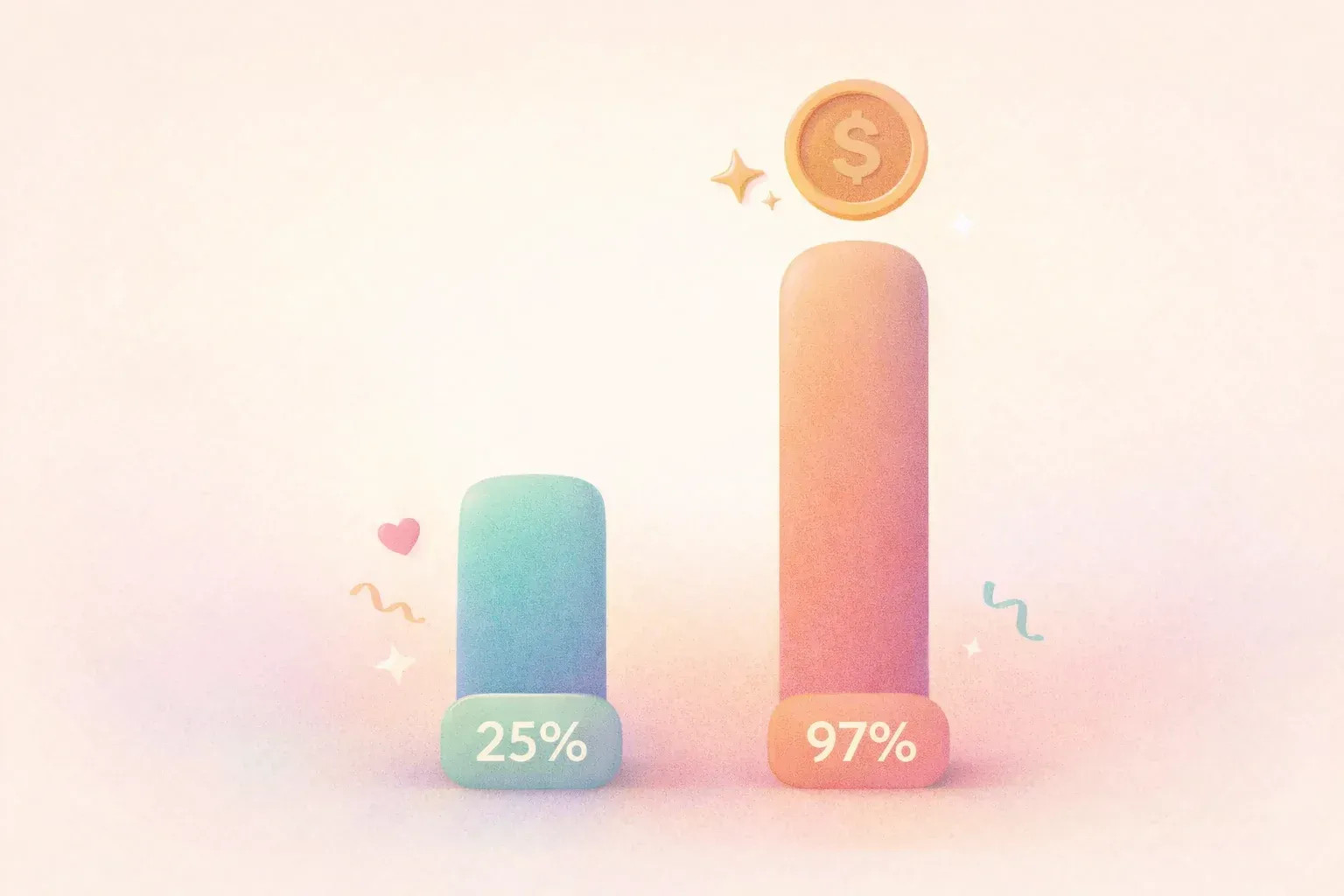
Each coin an employee earns on Happily.ai is worth less than five cents. Yet organizations using this system achieve 97% voluntary daily adoption, compared to the 25% average for traditional engagement tools. The gap has nothing to do with the monetary value of the reward. It has everything to do with how the coin changes behavior.
This guide explains why gamified feedback works, how the coin-and-reward mechanic builds lasting habits, and what the data shows about organizations that use this approach.
Why Traditional Feedback Fails and Daily Habits Succeed
Annual and quarterly engagement surveys suffer from a structural flaw: they treat feedback as an event. Employees receive a link, spend 15 to 30 minutes answering questions, and wait months before anything changes. Response rates average 30 to 50 percent. The data arrives stale. By the time leadership acts on findings, the workplace has already shifted.
The problem is not that employees dislike giving feedback. The problem is that the behavior is too infrequent to become automatic.
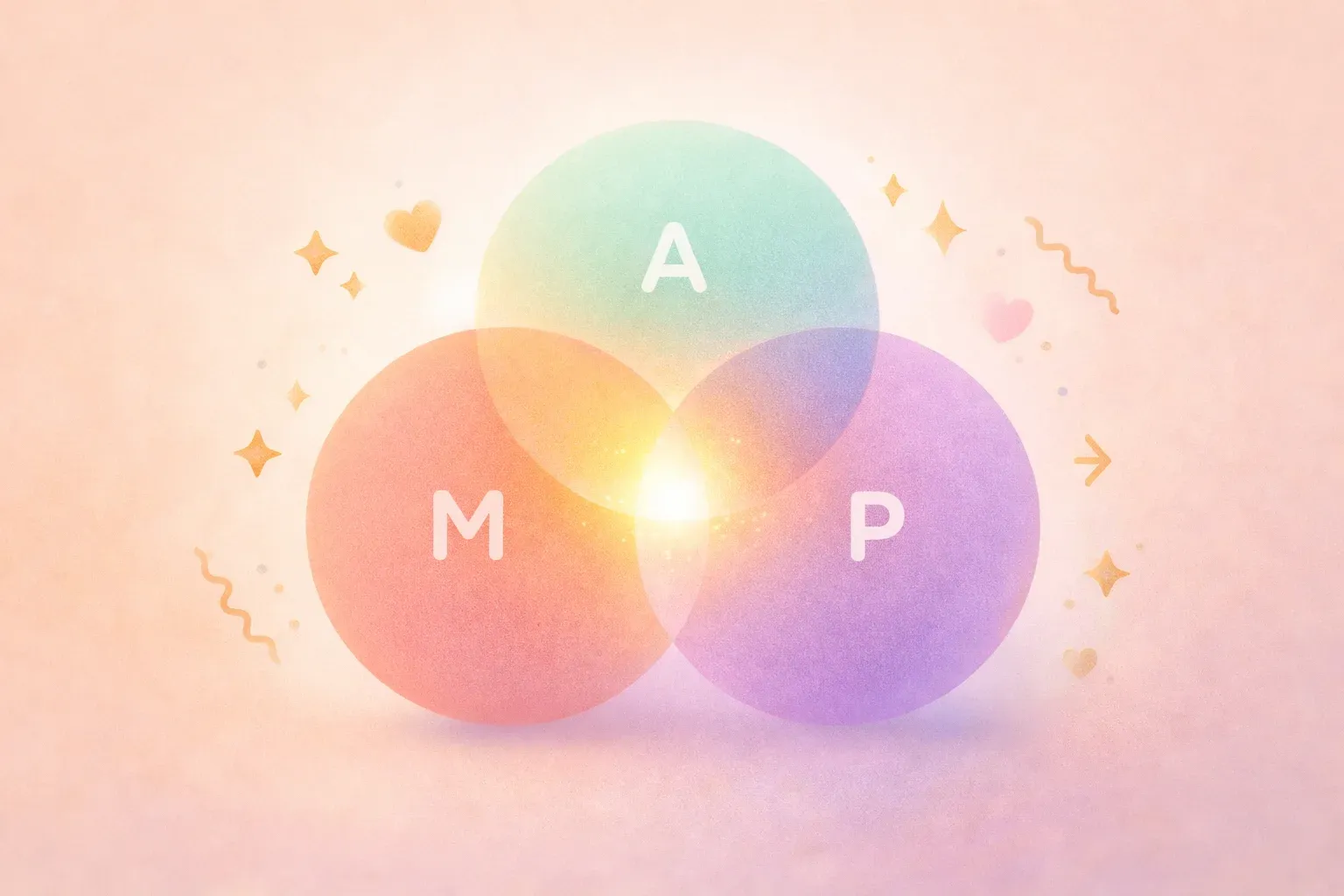
Stanford behavioral scientist BJ Fogg identified three elements that must converge for any behavior to occur: Motivation, Ability, and Prompt (B = MAP). Traditional surveys address only one. They rely on a motivational push from HR ("please complete this by Friday") while making the task difficult (long surveys, confusing scales) and prompting it rarely (once or twice a year).
Gamification addresses all three simultaneously. It raises motivation by making each action feel valued. It enhances ability by reducing the task to three minutes. And it reframes the prompt from "HR needs your input" to "you have coins to earn and colleagues to recognize."
How Coins, Recognition, and Rewards Build the Loop
The Coin Mechanic
Employees earn coins through two actions: answering daily check-in questions and giving peer recognition. The check-in takes three minutes and covers alignment, wellbeing, and team dynamics. Recognition is a brief public acknowledgment of a colleague's contribution.
Each coin has a face value under five cents. That number is deliberate. The coin is not a bribe. It is a signal that says "this action was noticed and valued." That signal is what changes behavior.
Intrinsic Value Comes First
Before any connection to rewards, coins carry intrinsic meaning. Earning a coin from a check-in confirms that your voice was heard. Earning one from recognition means a colleague took time to acknowledge your work. These micro-moments of validation accumulate.
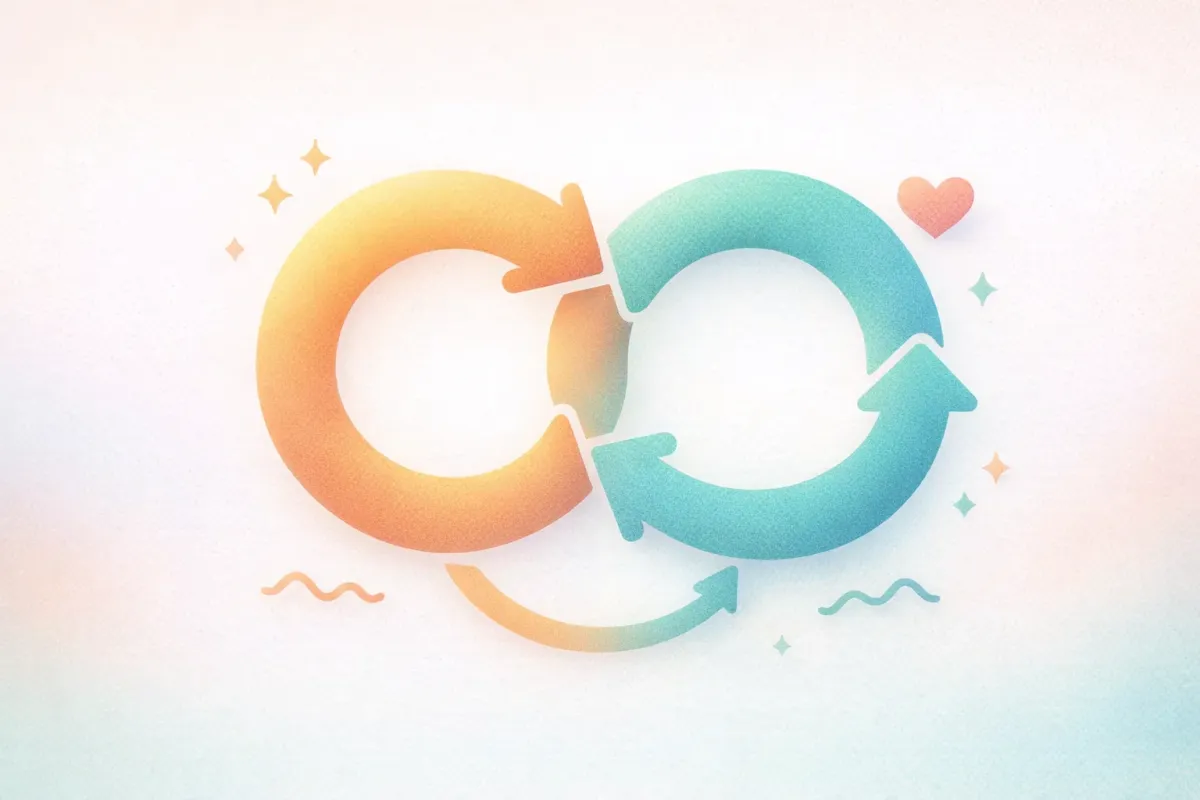
The recognition side creates a reciprocity flywheel. Give recognition, earn coins, feel seen, give more recognition. Happily.ai's research across 10 million workplace interactions found that employees who give peer recognition are trusted 9x more than those who stay silent. Employees who both give and receive recognition reach a 52% trust rate, which is 20.8x the baseline.
Rewards as the Extra Push
Connecting coins to tangible rewards (gift cards, experiences, charitable donations) adds extrinsic motivation during the critical habit-formation window. This is the same principle that makes Duolingo's gems and streak rewards effective for 37 million daily users.
The extrinsic layer matters most in the first 30 to 60 days. During this period, the reward gives employees an extra reason to open the app, answer the question, and thank a colleague. It lowers the threshold for action when the habit has not yet formed.
After that window, something shifts. Employees stop participating for the reward and start participating because it is how they work. The daily check-in becomes part of their routine. Recognition becomes reflexive. The reward was the scaffold. The habit is the building.
This is where the real value emerges. A habit that sticks is a habit that compounds. Each day of participation generates fresh data on alignment, wellbeing, and team dynamics. Each act of recognition deepens trust. The organization does not just measure engagement once. It builds engagement continuously, with each cycle reinforcing the next. The cost of the coin is less than five cents. The value of the behavior it seeds is orders of magnitude greater.
Three Effects on Behavior
The coin mechanic maps directly to the behavioral elements that make habits stick:
Heightens motivation. Each coin gives a small action visible value. Answering a three-minute check-in feels worthwhile when it produces a tangible token, even a small one.
Enhances ability. The interaction is short, the interface is simple, and the instant coin feedback reduces the psychological effort of participating. There is no friction to overcome.
Reframes the prompt. The daily notification shifts from an obligation ("HR wants your data") to an opportunity ("you have coins to earn and people to recognize"). That reframing changes how employees feel about the action before they take it.
What the Data Shows About Gamified Employee Feedback
| Metric | Traditional Survey Programs | Gamified Daily Feedback (Happily.ai) |
|---|---|---|
| Adoption rate | 25% average | 97% voluntary daily |
| Feedback frequency | Quarterly or annual | Daily (3-minute check-ins) |
| Data freshness | 90 to 365 days old | Same-day signals |
| Trust impact | Not typically measured | 9x trust multiplier from recognition |
| Turnover reduction | Varies by program | 40% reduction documented |
| Behavior sustainability | Resets each cycle | Compounds daily (self-sustaining after 60 days) |
| Employee effort per session | 15 to 30 minutes | 3 minutes |
| Habit formation | No (too infrequent) | Yes (daily repetition crosses habit threshold) |
Organizations using gamified daily feedback report a 48-point improvement in eNPS scores within six months. The compounding effect of daily recognition and rewards means that engagement does not plateau after an initial spike. It builds as habits deepen and trust compounds. Use the ROI Calculator to estimate the impact for your organization.
Who Benefits Most
Best for companies that are scaling past 50 employees and finding that informal feedback habits break down as teams grow. Structured gamification maintains the daily rhythms that happened naturally when everyone knew everyone.
Best for CEOs who want daily visibility into team health without waiting for quarterly survey results. The continuous data from daily check-ins functions as an operational dashboard, not just an HR report.
Best for organizations where previous engagement tools achieved less than 40% participation. Gamification addresses the adoption problem directly by making participation feel rewarding rather than obligatory.
Choosing the Right Approach
Choose gamified daily feedback if your priority is adoption and habit formation over comprehensive annual measurement. The strength is in continuous signals and daily behavior change.
Choose traditional pulse surveys if you need benchmarking data against industry norms and your organization has strong resistance to game mechanics.
Choose a hybrid approach if you want daily signals for operational decisions and periodic deep-dives for strategic planning. Many organizations layer a gamified daily platform underneath annual surveys for full coverage.
Honest Tradeoffs
Gamification is not universally welcomed on day one. Engineering-heavy or analytically skeptical cultures may question the coin mechanic initially. In practice, the behavioral data output (team health signals, manager effectiveness metrics, alignment trends) typically wins over skeptics within weeks. But organizations should expect a transition period and communicate the "why" clearly.
Rewards budgets add cost. Coins are inexpensive per unit, but at scale the budget needs planning. Most organizations spend $3 to $8 per employee per month on the rewards layer. The right comparison is not the coin cost. It is the cost of engagement programs that fail to sustain themselves. A $50,000 annual survey contract that achieves 25% participation and produces stale data is not a savings over a $5-per-head rewards budget that drives daily habits. Programs that do not stick represent sunk cost. Programs that compound represent infrastructure.
Gamification amplifies existing culture. It does not replace missing foundations. If compensation is unfair, leadership is absent, or goals are unclear, coins will not fix those problems. The daily feedback will surface them faster, which is valuable, but the underlying issues require direct action.
The habit-formation claim requires sustained use. Organizations that run the program for less than 90 days typically do not see the full compounding effect. The first month builds the behavior. The second month solidifies it. The third month is where the data starts revealing patterns that drive meaningful decisions.
Frequently Asked Questions
Does gamification actually work for employee engagement?
When designed on behavioral science principles, yes. Platforms built on the Fogg Behavior Model achieve 97% adoption versus the 25% industry average. The mechanism is not that gamification distracts employees with games. It reduces friction and adds intrinsic reward signals to actions that employees already find meaningful.
How much do employee rewards programs cost per person?
Gamified feedback platforms typically cost $3 to $8 per employee per month. Individual coin values are under $0.05 each. The more useful comparison is the cost of engagement programs that do not sustain participation. Organizations routinely spend $20,000 to $80,000 annually on survey platforms, consultants, and engagement initiatives that produce a temporary spike and then fade. A rewards budget that builds a self-sustaining daily habit is not an expense line. It is the mechanism that makes the rest of your engagement investment stick.
Will employees stop participating once the novelty wears off?
The design specifically addresses this. During the first weeks, rewards provide extrinsic motivation to build the behavior. After approximately 30 to 60 days of daily participation, the action becomes habitual. Employees continue because giving feedback and recognizing peers is integrated into how they work, not because of the coin value.
Is gamification appropriate for serious workplace feedback?
Gamification is the delivery mechanism, not the content. The feedback itself covers alignment, wellbeing, manager effectiveness, and team dynamics. Clinical measures like the WHO-5 wellbeing assessment run alongside the gamified elements. The game layer (coins, recognition) makes participation feel rewarding rather than obligatory.
How is this different from a points-based rewards program?
Points-based programs reward outcomes (hitting targets, tenure milestones). Gamified feedback platforms reward the behavior of participating daily. The distinction matters because behavioral participation generates continuous data and builds habits, while outcome-based rewards are episodic and do not create feedback loops.
Key Takeaways
- Coins worth less than $0.05 each drive 97% daily adoption because the value is in the habit, not the reward
- The Fogg Behavior Model (Motivation + Ability + Prompt) explains why daily gamified feedback succeeds where quarterly surveys fail
- Rewards serve as scaffolding during the habit-formation window. After 30 to 60 days, participation sustains without them
- Recognition through the platform creates a 9x trust multiplier, with mutual recognizers reaching 52% trust rates
- Gamification amplifies culture but does not replace missing foundations like fair compensation and clear goals
See How Daily Habits Replace Annual Surveys
The difference between 25% adoption and 97% adoption is not a better survey. It is a better behavior design. Book a demo to see how coins, recognition, and rewards build the daily feedback habit that transforms how your team communicates.
Sources
- Fogg, BJ. Tiny Habits: The Small Changes That Change Everything. Houghton Mifflin Harcourt, 2019. behaviormodel.org
- Zak, Paul J. "The Neuroscience of Trust." Harvard Business Review, January-February 2017.
- Gallup. "State of the Global Workplace Report." 2024.
- Happily.ai Research: Analysis of 10M+ Workplace Interactions (recognition trust multiplier, adoption rates, eNPS impact).