



บทความนี้นำเสนอข้อมูลเชิงลึกเกี่ยวกับ Hard skills vs Soft Skills: What’s the difference? สำหรับผู้นำองค์กร ผู้จัดการ และผู้เชี่ยวชาญด้าน HR ที่ต้องการพัฒนาองค์กรให้มีประสิทธิภาพมากขึ้น
When it comes to describing the skills that employees possess, the terms "hard skills" and "soft skills" are often used. Hard skills refer to specific, technical abilities that can be quantified, such as programming languages or financial analysis. Soft skills, on the other hand, are more subjective and difficult to measure, such as communication and problem-solving abilities.
While hard skills are important, recent research in organizational psychology suggests that soft skills may be even more valuable to organizations. A study by the Stanford Research Institute International and the Carnegie Melon Foundation revealed that 75% of long-term job success is based on soft skills, while only 25% is based on hard skills.
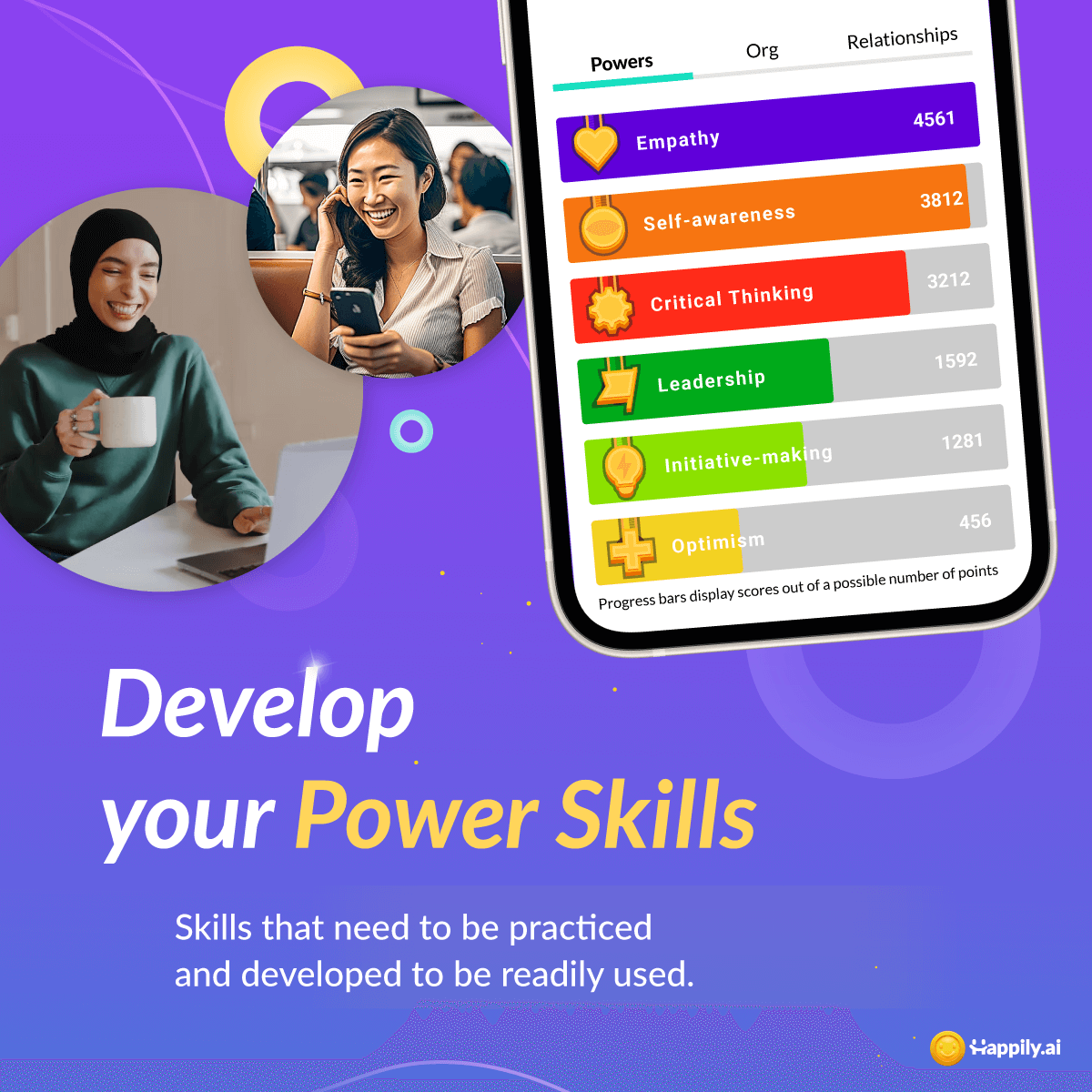
Additionally, a study by Deloitte found that soft skills such as creativity, emotional intelligence (EQ), and critical thinking are among the most in-demand skills for employers. These skills are essential for employees to work effectively in teams, adapt to change, and communicate effectively with colleagues and customers.
Furthermore, "human skills" are being seen as a more accurate term to describe soft skills, as it highlights the importance of understanding, relating, and interacting with people in the workplace.
Although hard skills are necessary for specific job tasks, soft skills or human skills are increasingly becoming more essential in today's workplace. Organizations should prioritize the development and hiring of employees with strong soft skills to ensure long-term success.
References:
https://www.amanet.org/articles/the-hard-truth-about-soft-skills/
https://www2.deloitte.com/au/en/pages/economics/articles/soft-skills-business-success.html
https://blog.happily.ai/2-soft-skills-that-boost-performance/
https://blog.happily.ai/prioritize-soft-skills-to-boost-employee-well-being-and-happiness/
บริบทสำหรับองค์กรไทย
ในบริบทขององค์กรไทย การนำแนวคิดนี้ไปปรับใช้ต้องคำนึงถึงวัฒนธรรมการทำงานและค่านิยมของคนไทย ซึ่งให้ความสำคัญกับความสัมพันธ์ ความเคารพ และการทำงานเป็นทีม
จากข้อมูลของ Happily.ai องค์กรที่ลงทุนในด้านนี้จะเห็นผลลัพธ์ที่ชัดเจน เช่น อัตราการมีส่วนร่วมของพนักงานที่เพิ่มขึ้น และอัตราการลาออกที่ลดลง
กลยุทธ์การนำไปใช้
เพื่อให้การนำแนวคิดนี้ไปใช้ได้อย่างมีประสิทธิภาพ องค์กรควร:
- วัดผลอย่างต่อเนื่อง: ใช้ Pulse Survey เพื่อติดตามความก้าวหน้า
- พัฒนาผู้จัดการ: ลงทุนในโปรแกรม พัฒนาผู้จัดการ
- สร้างวัฒนธรรม Feedback: ใช้ระบบ Employee Feedback อย่างสม่ำเสมอ
- ชื่นชมอย่างสม่ำเสมอ: ใช้ระบบ Recognition ที่เชื่อมโยงกับค่านิยม
สรุปประเด็นสำคัญ
- การพัฒนาในด้านนี้ส่งผลโดยตรงต่อประสิทธิภาพขององค์กรและการรักษาพนักงาน
- แนวทางที่ขับเคลื่อนด้วยข้อมูลให้ผลลัพธ์ที่ดีกว่าการดำเนินการเป็นครั้งคราว
- การพัฒนาผู้จัดการและ Feedback อย่างต่อเนื่องเป็นรากฐานที่สำคัญ
ขั้นตอนถัดไป
พร้อมที่จะพัฒนาองค์กรของคุณหรือยัง? นัดหมายเดโม เพื่อดูว่า Happily.ai สามารถช่วยองค์กรของคุณได้อย่างไร