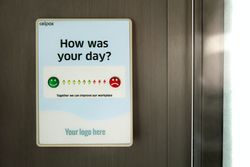
Our workplaces have changed. We continue to experiment with new ways of work. Business leaders must lead the initiative to measure and manage organizational health.
A strong organizational culture plays a significant role in a company's success and ability to attract and retain top-level talent. Successful leaders use culture as a fundamental management tool to enhance organizational performance.
To improve employee engagement, your strategy must be grounded in feedback —the voice of the employee. Pulse surveys are an effective alternative to annual employee engagement surveys to gather real-time feedback from employees and help leaders and managers take appropriate actions.
While managers and leaders often misattribute employee turnover to other factors, Gallup’s comprehensive study (2015) shows that 50% of Americans leave their jobs because of their managers. One way organization leaders and managers can reduce turnover is through promoting employee effectiveness.
Employee engagement is usually targeted towards HR. However, research has shown that managers account for more than 70% of the variance in employee engagement. This is because managers fill in the roles HR cannot: the roles of personalizing relationships, connecting with, and empowering employees.
Studies show that strong friendships at work improve work life —employees with strong friendships are more likely to be an organization’s advocate, have better wellness, and have fun at work.